
IP CONSULTING

WRITERS’ ROOM
Writers’ rooms are increasingly used in both feature and television formats — each with distinct requirements that need to be calibrated to the project’s creative demands and genre, but more importantly, to the production budget and timeline.
In the feature space, a writers’ room can run indefinitely, leaving the project stuck in development hell. Equally, a premature, intense sprint of two weeks or a month may produce a superficial outcome — one that doesn’t reflect enough conceptual design in the story or character depth, or allow enough time for stakeholders on the production side, or talent, to weigh in. Managing and executing the development process is more than hiring a room and filling it with writers. It requires a precise understanding of genre, an appreciation for execution demands, and above all, skill in managing the room to produce the best outcome.
In television, writing elevation is one of the best ways to achieve creative improvement at a moderate cost increase. But platform executives often assume any writers’ room can produce this outcome — when in fact, a room that runs too short leads to diminishing returns. Figuring out what type of room is needed, how long it should run, and whether the concept is even ready for a room — or whether an alternative setup, such as a single writer supported by a consultant, is the better fit — is what QuackConcepts does effectively, backed by over 20 years of experience in television development at executive and creative levels.
CONCEPT DEVELOPMENT
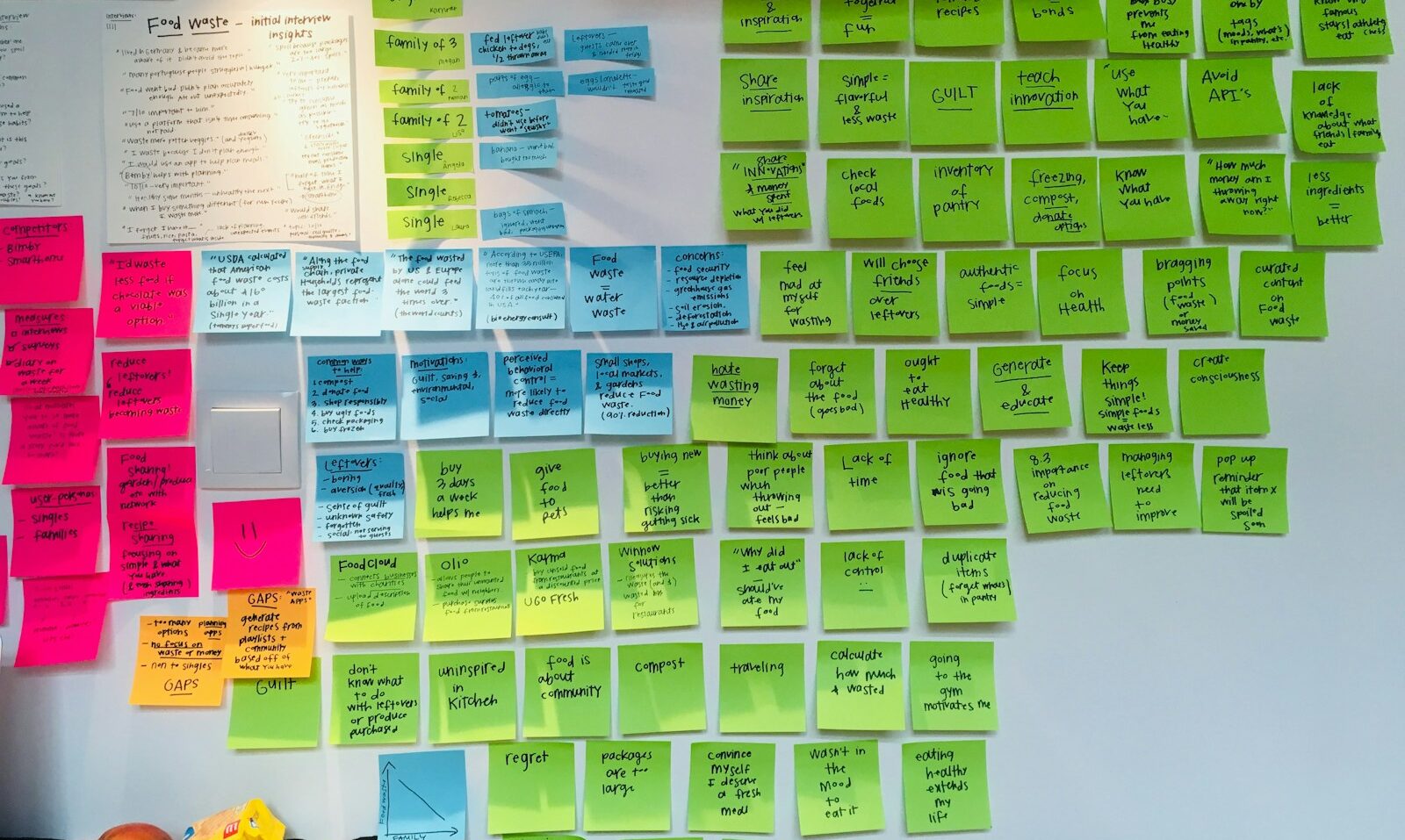
You have an idea. The rights to a book. A logline. A one-pager. How do you take this to the people that matter? You need a concept development process — one that brings the material closer to a pitch or a treatment. This highly specialised, compressed development exercise typically takes place as a precursor to approaching an investor or a platform. A professional concept development process explores not just platform suitability, but the different story options and possibilities the base idea can give rise to, along with preliminary world-building to explore franchise possibilities.

CREATIVE PRODUCING
In Southeast Asian television and film production, producing typically refers to physical production and logistics control. Only a very small number of projects have a creative advocate within the process from start to finish. The Creative Producer is distinct from the Physical Producer, who handles HODs, makes sure lunch is on time, and bills get paid.
The Creative Producer is with the project from day one. They help determine story direction, guide the screenplay process, and merge the demands of production realities with the ambitions of creative imagination. At the same time, they’re weighing talent questions — the right director, a writer with the right skills for the genre, a DOP who brings the right style, and the cast that unlocks the performance factor. They’re on set to give the director story support, solving story-related production issues as they arise, such as trimming scenes or cutting pages to meet the shoot schedule. Finally, they’re in the edit suite with the director, helping shape the film for release.
This is a multidisciplinary role spanning expansive knowledge of the entire film production process, with a focus on blending creative excellence and commercial appeal. At QuackConcepts, we’re one of the few entities with experience doing this across both features and television.

BOOK TO SCREEN CONSULTING
This is a relatively old and new source for telemovies in Malaysia and has a choppy record in the space that leads to mostly localised, disposable content. For projects with international aspiration, a more polished and professional approach is needed. It begins with a proper evaluation of the base IP — book or newspaper article — to determine if it has sufficient legs for an international project. Knowledge of IP clearance and legal process is critical to avoid unnecessary creative entanglements or commercial encumbrance even before the film is shot. Finally, figuring out the optimum language for the project, or the right language mix, is key to avoiding criticism of whitewashing or cultural appropriation.
Quack Concepts brings a wealth of experience in evaluating Southeast Asian-centric IP to determine its international quality and capacity for travel as a film or TV series, as well as expertise in managing the creative adaptation process — from determining the best platform for the story, to conceptualising the adaptation, to finding the right bridge between the underlying IP and the final product, one that factors in source material loyalty, the author’s voice, and broad audience needs. Every book can go to the screen, but not every book should.
TELEPLAYS
Television series demand out of size requirements, comparative to feature films, due to the considerably higher output. Producers need a group of writers who can run the marathon of multiple episodes, spanning output that can be 10x that of a feature film, for the same budget. Finding the right team of writers for the room, who can handle a particular genre well within a production timeline, along with a head writer who can deliver creative direction — it’s the NASA of TV.
In the premium and prestige tv space, the stakes are even higher and this is where Quack Concepts comes in. Bringing together the right creative brains, keeping them on track to deliver on time, with the goal of breaking new ground in Asian television.

FEATURE SCREENPLAY
With the increase in feature productions in Malaysia, Indonesia and Thailand, technical standards are improving by way of visuals. Yet story remains a key weakness across the region due to a sparsity of professionally trained writers and quality development process. It isn’t just about “writing the script.” It’s about recognising that films in this region need to be finished for a budget, not budgeted for finish.
When you work with QuackConcepts on your feature screenplay, you aren’t just getting “a script.” You get the Hollywood value creation process, honed from years of working within the Hollywood development system, from both the screenwriter and executive perspective. From driving concept development through to managing the writers’ room process, to selecting and managing the writing talent on the screenplay, final polish and production rationalisation from day one, even before you get to page one. You bring the logline, we do the rest.
